
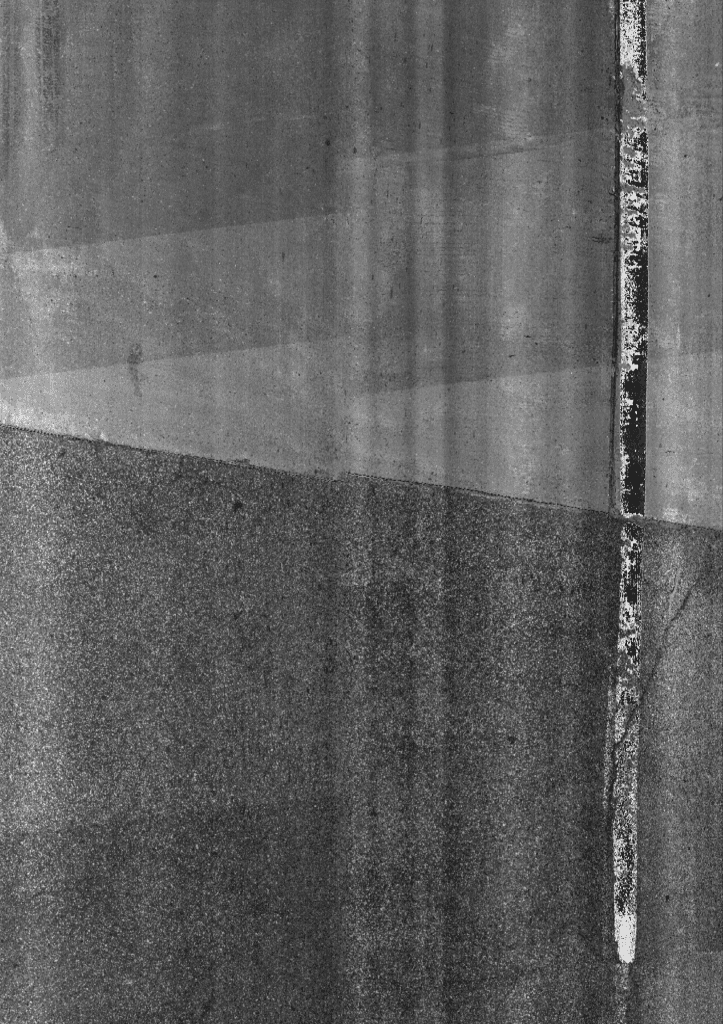
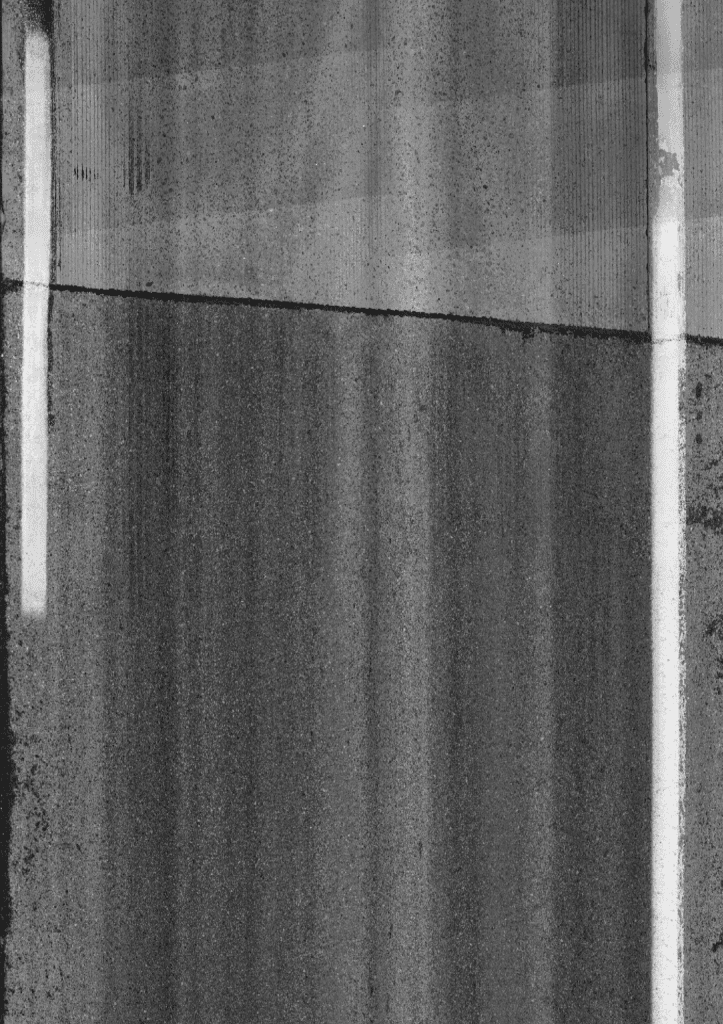
Macrotexture refers to large-scale surface texture features raging from 0.5 mm to 50 mm in depth. Macrotexture plays an important role in generating surface friction and providing skid resistance and also impacts water drainage and pavement noise.
Traditionally macrotexture has been measured using the manual sand patch method (ASTM E965: Standard Test Method for Measuring Pavement Macrotexture Depth Using a Volumetric Technique) or estimated using a few point lasers across a lane. However, these methods are limited both in terms of repeatability (due to manual measurement) and the ability to provide full lane coverage (due to use of point lasers).
Pavemetrics® Laser Crack Measurement System (LCMS®-2) provides a solution that delivers high repeatability and measures across the entire lane.
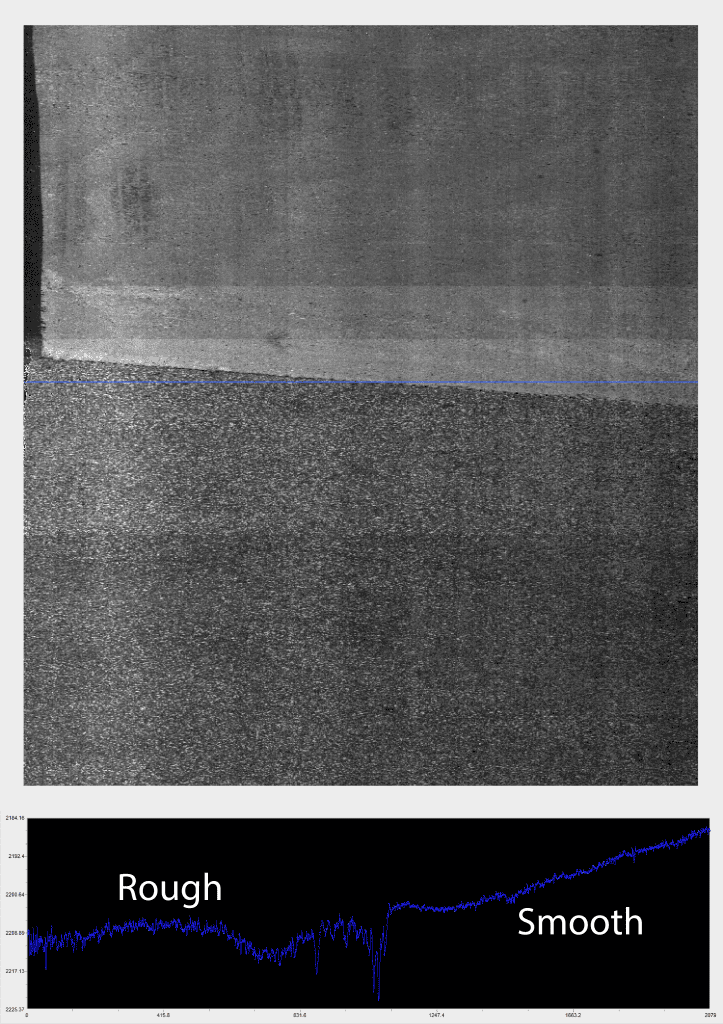
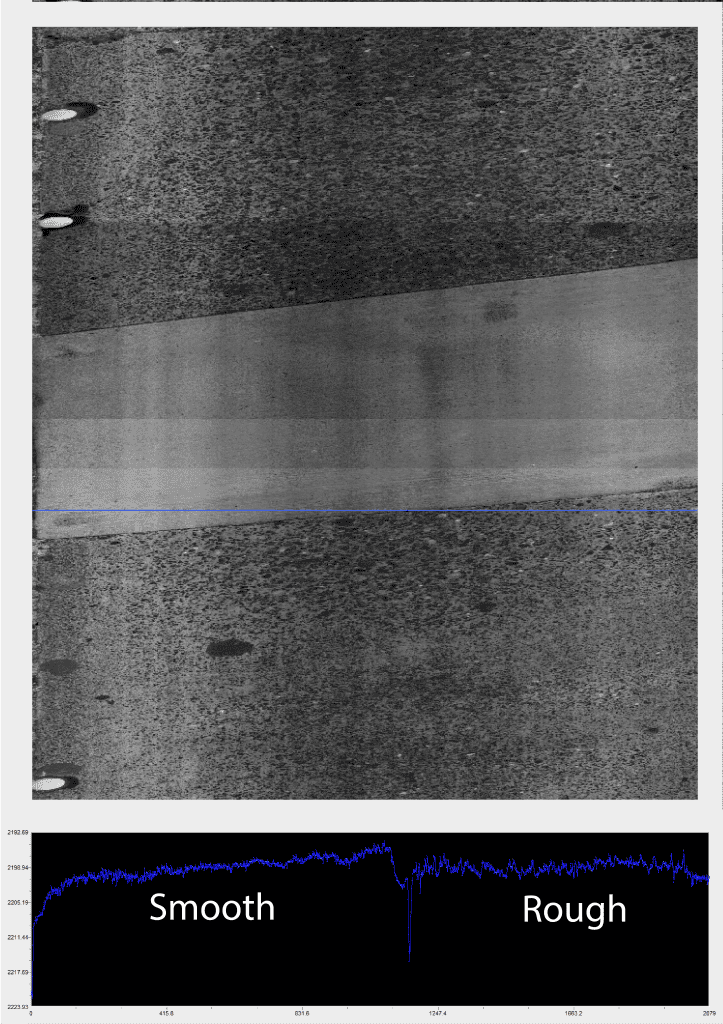
The LCMS macrotexture algorithm measures macrotexture using a method that effectively recreates the traditional sand patch method digitally (Digital Sand Patch Method) and computes the air void volume between the highest and lowest points on the road surface. However this method improves upon the traditional approach as it is not influenced by a human test operator and not impacted by environmental conditions making it more objective and repeatable.
Macrotexture can be reported as frequently as every 250mm of roadway travel according to user-defined road zones (e.g., according to the AASHTO definition). All industry-standard reporting indices are supported including Mean Profile Depth (MPD), Sensor Measured Texture Depth (SMTD), Mean Texture Depth (MTD) and Root Mean Square (RMS).
Explore Eddyfi Technologies product lines
 Automated Vision Systems
 ET & UT Solutions
 Nuclear Steam Generators
 Remote Monitoring Solutions



 Robotics Solutions